Join a Campaign
Protect Girls! from Cervical Cancer|Menstrual hygiene awareness

APPEAL
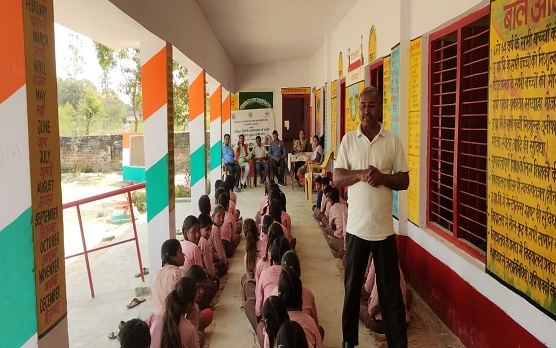
Menstrual hygiene awareness sessions are conducted by SAHASH in schools and communities with the main objective of openly talking about periods and breaking the silence surrounding menstruation. These sessions focus on spreading awareness, reducing stigma, and promoting proper hygiene practices among girls and women. Through interactive discussions, participants are educated about the menstrual cycle, the importance of using clean and safe sanitary products, and maintaining personal hygiene during periods. The program also aims to challenge myths and misconceptions, encouraging a positive and healthy attitude towards menstruation. By creating a safe space for conversation, SAHASH helps empower young girls with knowledge, confidence, and dignity.Support our Campaign.
THE PROBLEM
The survey, carried out by the Department of Obstetrics and Gynaecology at KGMU, involved 200 adolescent girls and young women with an average age of 20 years. It found that 74% of participants were comfortable discussing menstruation openly — a significant social shift in a country where the topic is still largely considered off-limits in many households and communities.
- While 73% of girls said they had access to affordable sanitary products such as pads or menstrual cups, 27% still found them unaffordable or hard to access. These girls often resort to using old cloth or unhygienic materials, which puts them at risk of infections and other health complications.
- Despite a growing awareness, challenges related to hygiene and accessibility remain widespread. The survey showed that 59% of girls reported missing school, college, or work during their periods. Limited access to clean and private toilets further compounds the issue — only 49.5% of respondents said they had access to a hygienic and private toilet.
Awareness about Cervical Cancer is very important for girls and women, as it is one of the most preventable types of cancer if detected early. Cervical cancer is mainly caused by a virus called Human Papillomavirus (HPV), which spreads through intimate contact. Proper knowledge and timely care can help protect against this disease.
Girls should be aware of the importance of maintaining good personal and menstrual hygiene, as poor hygiene can increase the risk of infections. One of the most effective ways to prevent cervical cancer is by taking the HPV vaccination at the recommended age, which protects against the most harmful strains of the virus. Regular health check-ups, especially screening tests like the Pap smear, help in early detection of any abnormal changes in the cervix.
OUR SOLUTION
To solve these multiple problems, the NGO is building an app to enable real-time tracking of all the cows belonging to various cow shelters. They are trying to tag each cow with a unique ID and develop a real-time database of cows and cow shelters in the state. This database is then shared with both the District Magistrate’s Office for better surveillance and monitoring.It is also important to avoid risky behaviors such as early marriage, multiple partners, or unprotected sexual contact, as these increase the chances of HPV infection. Eating a healthy diet, maintaining cleanliness, and seeking medical advice when experiencing symptoms like unusual bleeding, pain, or discharge are also key preventive steps.
THE IMPACT
By spreading awareness through school and community programs, girls can become informed about their health, break taboos, and take preventive actions. Early awareness, vaccination, and regular screening together play a major role in protecting girls from cervical cancer and ensuring a healthy future.50 mensuration hygiene awareness camps organised in association with We the change in Amethi and Noida.
Anemia Awareness Programs
APPEAL
We appeal to communities, parents, and young girls to take anemia seriously and adopt healthy dietary and lifestyle practices. Awareness, early prevention, and regular health check-ups can protect individuals—especially women and children—from the harmful effects of anemia.
THE PROBLEM
Anemia is a widespread health issue, particularly among adolescent girls and women, mainly due to iron deficiency and poor nutrition. Lack of awareness, improper diet, and limited access to healthcare lead to symptoms like weakness, fatigue, dizziness, and poor concentration, affecting daily life and development.
OUR SOLUTION
We promote awareness through education programs, community sessions, and school campaigns. Our focus is on encouraging a balanced diet rich in iron (green leafy vegetables, pulses, fruits), iron supplementation, and regular health screenings. We also work to break myths and ensure access to proper nutrition and healthcare services.
THE IMPACT
Increased awareness leads to healthier dietary habits, early detection, and reduced cases of anemia. Girls and women become more energetic, confident, and active in education and daily life, contributing to a healthier and more productive society.Through 20 school-based camps and 25 community workshops, our anemia awareness initiative reached over 25,000 girls and 2,000 women, promoting better health knowledge and preventive care practices.
YOUR SMALL SUPPORT CAN MAKE A DIFFERENCE!
Save Tax! Donation is 50% Tax Exempt under section 80G of Income Tax Act,1961